Men's haircut visual guide
Burst Fade & Taper Fade Haircut Guides
Compare fade placement, maintenance, hair-texture options and barber terminology before you book. Use the visual guides for inspiration and the Fade Calculator when you want a practical starting point.
Quick chooser
Choose by goal
Visual library
Latest haircut guides
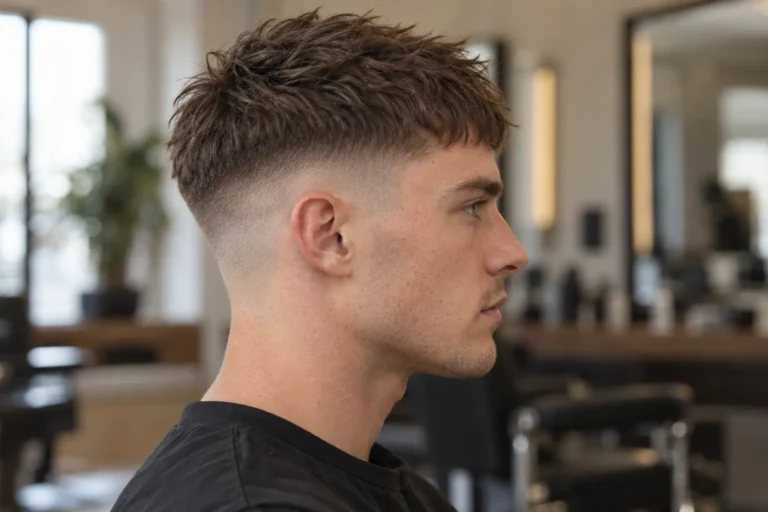 Textured Crop Haircut: Styles, Fades and How to Ask Your BarberView guide →
 Boosie Fade: What It Is, 7 Styles and How to Ask for ItView guide →
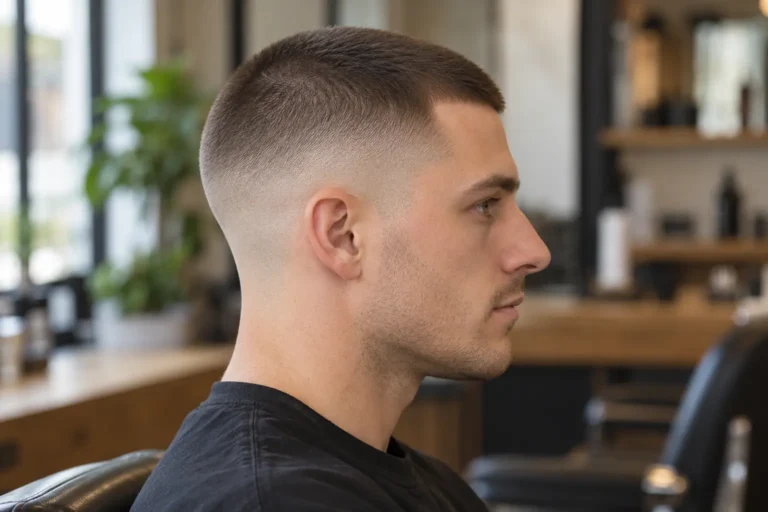 Buzz Cut Fade: Low, Mid, High and Skin Fade Styles With PhotosView guide →
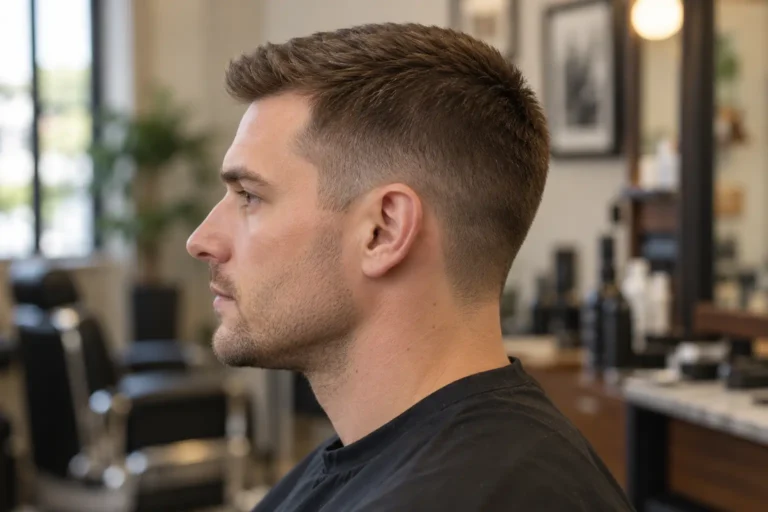 Crew Cut: Classic, Fade and Textured Styles and What to Ask ForView guide →
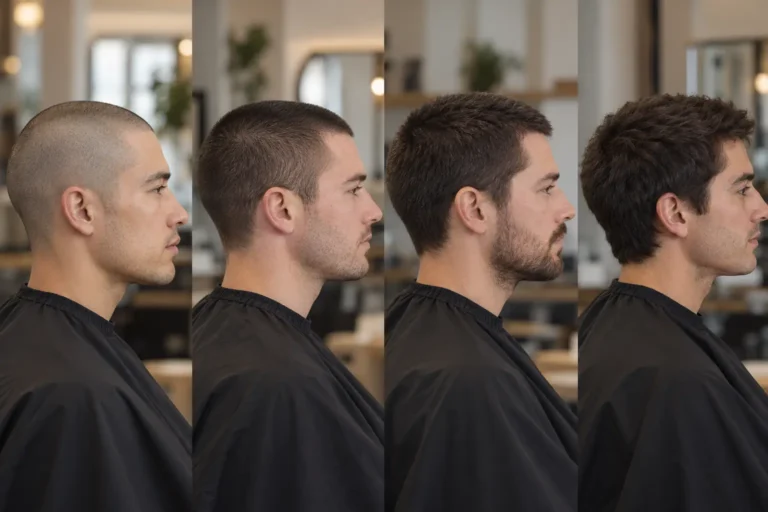 Buzz Cut Guard Sizes: Every Length From #0 to #16, With PhotosView guide →
 Low Taper Fade for Black Men: Styles, Line-Ups and What to Ask ForView guide →
 Warrior Cut: What It Is, Fade Options and How to Ask Your BarberView guide →
 Taper Fade for Curly Hair: Low, Mid and Blowout Tapers by Curl TypeView guide →
Learn the haircut before you book it
Fade height, shortest length, blend placement and the treatment of the neckline can all change the final silhouette. Burst & Taper focuses on those practical differences so you can compare reference photos and communicate more clearly with your barber.
Explore Fade and Taper Haircuts
Explore burst fade and taper fade ideas alongside drop fades, textured fringes, mod cuts and other men’s haircut styles. Use the visual directory below to compare placement, side and rear shape, retained weight and top length. Tap any image to open its complete guide with reference views, maintenance advice and practical wording to discuss with your barber.
Start with our burst fade haircuts guide, or compare low taper, mid taper and high taper placement before choosing your preferred finish.
How to Choose Your Next Haircut
Start with placement. A low taper keeps more weight around the sides, while mid and high placements create progressively stronger contrast. Next, choose the shortest finish—shadow, zero or skin—and decide how much length and texture you want to retain on top.
If you are unsure where to begin, use our Fade Calculator for a preference-based starting point, or explore the complete Fade Haircuts for Men visual guide. Take front, side and rear reference images to your barber because haircut terminology and technique can differ between shops.